
Baked Biscoff® Cheesecake
Everyone loves cheesecake, but with a touch of Biscoff, you will surprise even more people!
Biscoff crust:
- 325 g Biscoff cookie crumbs
- 140 g unsalted butter (melted)
Cheesecake:
- 900 g cream cheese (room temperature)
- 150 g granulated white sugar
- 15 g corn starch
- 240 g Biscoff spread
- 80 g sour cream, at room temperature
- 3 eggs, room temperature
- 3 egg yolks, room temperature
Decoration:
- 200 g Biscoff spread or topping
- Biscoff cookies for decoration (roughly crumbled)
-
1
Start by making the crust: Preheat the oven to 175°C.
-
2
Use baking paper on the bottom of the springform and grease the sides with butter to prevent from sticking.
-
3
Wrap the outside with tinfoil. You want to make sure the tinfoil goes up about 3-5 cm on the sides of the springform, so no water gets in during baking. If needed, wrap multiple layers (about 5) to prevent water from getting in.
-
4
Blend your crushed Biscoff cookie crumbs with melted butter and mix until combined.
-
5
Place the mixture into the springform pan and push it to the bottom creating a thick crust. Even it out with a spoon or the bottom of a glass.
-
6
Bake the crust for 10 minutes, then let it cool completely.
-
7
Start preparing the cheesecake: preheat the oven to 175°C
-
8
In a stand mixer, mix the softened cream cheese, corn starch and granulated sugar together for two minutes until everything is smooth.
-
9
Add the Biscoff spread and sour cream to the cream cheese mixture. Mix for 1 minute. Scrape the sides and bottom of bowl again to ensure everything is mixed together.
-
10
Meanwhile, put a pot of water on the stove to boil for the water bath. You will want enough water to go up about 3 cm on the sides of the springform pan.
-
11
Add the eggs and egg yolks one at a time to the cheesecake batter, ensuring that each is fully mixed in before adding the next.
-
12
As soon as the last one is fully mixed in, turn off the mixer. Do not overmix the batter.
-
13
Pour the batter into the prepared springform pan with the crust.
-
14
Place the cheesecake in a large roasting pan in the oven. Slowly pour the boiling water into the roasting pan around the cheesecake springform pan, being careful not to splash water onto the cheesecake.
-
15
Bake at 175°C for 1 hour, until the cake is golden brown and has a slight wobble in the middle. Turn off the oven and crack the oven door open using a utensil.
-
16
Let the cheesecake stay in the oven for 1 more hour with the small opening. The cheesecake will continue to bake as it is cooling. Afterward, remove the cheesecake from the oven, let cool completely on the counter, and then refrigerate until cold, at least 8 hours.
-
17
Once the cheesecake has chilled, carefully remove it from the springform pan and transfer it to a serving plate.
-
18
To top of the cake: start by melting the Biscoff spread or topping (you can use either of them) in the microwave for 20 seconds on medium heat or ‘au bain marie’.
-
19
Pour the melted Biscoff spread on top of the cheesecake and smooth out.
-
20
Put the cheesecake back into the fridge for about 20 minutes, or until the Biscoff spread is set.
-
21
Once the Biscoff spread is set, remove the cheesecake from the fridge and decorate the edges with the Biscoff biscuits (roughly crumbled).
Baked Biscoff® Cheesecake
Start by making the crust: Preheat the oven to 175°C.
Baked Biscoff® Cheesecake
Start by making the crust: Preheat the oven to 175°C.
Baked Biscoff® Cheesecake
Use baking paper on the bottom of the springform and grease the sides with butter to prevent from sticking.
Baked Biscoff® Cheesecake
Use baking paper on the bottom of the springform and grease the sides with butter to prevent from sticking.
Baked Biscoff® Cheesecake
Wrap the outside with tinfoil. You want to make sure the tinfoil goes up about 3-5 cm on the sides of the springform, so no water gets in during baking. If needed, wrap multiple layers (about 5) to prevent water from getting in.
Baked Biscoff® Cheesecake
Wrap the outside with tinfoil. You want to make sure the tinfoil goes up about 3-5 cm on the sides of the springform, so no water gets in during baking. If needed, wrap multiple layers (about 5) to prevent water from getting in.
Baked Biscoff® Cheesecake
Blend your crushed Biscoff cookie crumbs with melted butter and mix until combined.
Baked Biscoff® Cheesecake
Blend your crushed Biscoff cookie crumbs with melted butter and mix until combined.
Baked Biscoff® Cheesecake
Place the mixture into the springform pan and push it to the bottom creating a thick crust. Even it out with a spoon or the bottom of a glass.
Baked Biscoff® Cheesecake
Place the mixture into the springform pan and push it to the bottom creating a thick crust. Even it out with a spoon or the bottom of a glass.
Baked Biscoff® Cheesecake
Bake the crust for 10 minutes, then let it cool completely.
Baked Biscoff® Cheesecake
Bake the crust for 10 minutes, then let it cool completely.
Baked Biscoff® Cheesecake
Start preparing the cheesecake: preheat the oven to 175°C
Baked Biscoff® Cheesecake
Start preparing the cheesecake: preheat the oven to 175°C
Baked Biscoff® Cheesecake
In a stand mixer, mix the softened cream cheese, corn starch and granulated sugar together for two minutes until everything is smooth.
Baked Biscoff® Cheesecake
In a stand mixer, mix the softened cream cheese, corn starch and granulated sugar together for two minutes until everything is smooth.
Baked Biscoff® Cheesecake
Add the Biscoff spread and sour cream to the cream cheese mixture. Mix for 1 minute. Scrape the sides and bottom of bowl again to ensure everything is mixed together.
Baked Biscoff® Cheesecake
Add the Biscoff spread and sour cream to the cream cheese mixture. Mix for 1 minute. Scrape the sides and bottom of bowl again to ensure everything is mixed together.
Baked Biscoff® Cheesecake
Meanwhile, put a pot of water on the stove to boil for the water bath. You will want enough water to go up about 3 cm on the sides of the springform pan.
Baked Biscoff® Cheesecake
Meanwhile, put a pot of water on the stove to boil for the water bath. You will want enough water to go up about 3 cm on the sides of the springform pan.
Baked Biscoff® Cheesecake
Add the eggs and egg yolks one at a time to the cheesecake batter, ensuring that each is fully mixed in before adding the next.
Baked Biscoff® Cheesecake
Add the eggs and egg yolks one at a time to the cheesecake batter, ensuring that each is fully mixed in before adding the next.
Baked Biscoff® Cheesecake
As soon as the last one is fully mixed in, turn off the mixer. Do not overmix the batter.
Baked Biscoff® Cheesecake
As soon as the last one is fully mixed in, turn off the mixer. Do not overmix the batter.
Baked Biscoff® Cheesecake
Pour the batter into the prepared springform pan with the crust.
Baked Biscoff® Cheesecake
Pour the batter into the prepared springform pan with the crust.
Baked Biscoff® Cheesecake
Place the cheesecake in a large roasting pan in the oven. Slowly pour the boiling water into the roasting pan around the cheesecake springform pan, being careful not to splash water onto the cheesecake.
Baked Biscoff® Cheesecake
Place the cheesecake in a large roasting pan in the oven. Slowly pour the boiling water into the roasting pan around the cheesecake springform pan, being careful not to splash water onto the cheesecake.
Baked Biscoff® Cheesecake
Bake at 175°C for 1 hour, until the cake is golden brown and has a slight wobble in the middle. Turn off the oven and crack the oven door open using a utensil.
Baked Biscoff® Cheesecake
Bake at 175°C for 1 hour, until the cake is golden brown and has a slight wobble in the middle. Turn off the oven and crack the oven door open using a utensil.
Baked Biscoff® Cheesecake
Let the cheesecake stay in the oven for 1 more hour with the small opening. The cheesecake will continue to bake as it is cooling. Afterward, remove the cheesecake from the oven, let cool completely on the counter, and then refrigerate until cold, at least 8 hours.
Baked Biscoff® Cheesecake
Let the cheesecake stay in the oven for 1 more hour with the small opening. The cheesecake will continue to bake as it is cooling. Afterward, remove the cheesecake from the oven, let cool completely on the counter, and then refrigerate until cold, at least 8 hours.
Baked Biscoff® Cheesecake
Once the cheesecake has chilled, carefully remove it from the springform pan and transfer it to a serving plate.
Baked Biscoff® Cheesecake
Once the cheesecake has chilled, carefully remove it from the springform pan and transfer it to a serving plate.
Baked Biscoff® Cheesecake
To top of the cake: start by melting the Biscoff spread or topping (you can use either of them) in the microwave for 20 seconds on medium heat or ‘au bain marie’.
Baked Biscoff® Cheesecake
To top of the cake: start by melting the Biscoff spread or topping (you can use either of them) in the microwave for 20 seconds on medium heat or ‘au bain marie’.
Baked Biscoff® Cheesecake
Pour the melted Biscoff spread on top of the cheesecake and smooth out.
Baked Biscoff® Cheesecake
Pour the melted Biscoff spread on top of the cheesecake and smooth out.
Baked Biscoff® Cheesecake
Put the cheesecake back into the fridge for about 20 minutes, or until the Biscoff spread is set.
Baked Biscoff® Cheesecake
Put the cheesecake back into the fridge for about 20 minutes, or until the Biscoff spread is set.
Baked Biscoff® Cheesecake
Once the Biscoff spread is set, remove the cheesecake from the fridge and decorate the edges with the Biscoff biscuits (roughly crumbled).
Baked Biscoff® Cheesecake
Once the Biscoff spread is set, remove the cheesecake from the fridge and decorate the edges with the Biscoff biscuits (roughly crumbled).
Discover more recipes
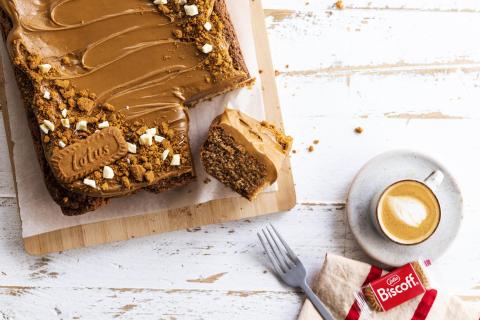
Biscoff® sheet cake
A square piece of Biscoff cake is the perfect treat for every cup of coffee
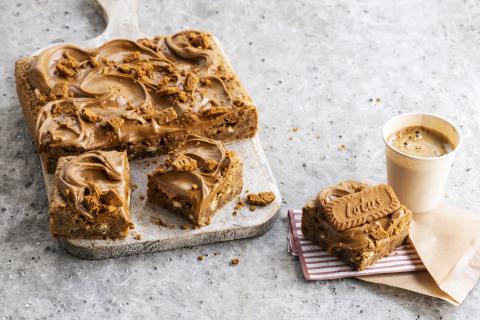
Biscoff® Blondie
Delicious Biscoff blondies made with white chocolate chips, Biscoff spread, and Biscoff cookies: A treat that will make your customers come back for more
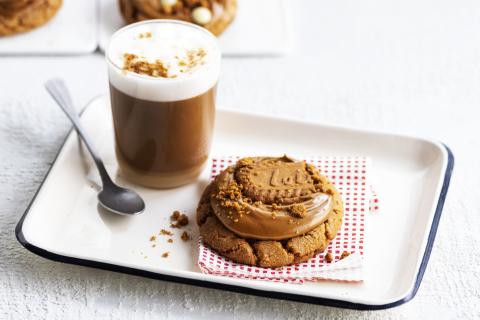
Deliciously loaded Biscoff® cookies
A Biscoff cookie is always a great treat, but a freshly baked gooey cookie loaded with Biscoff spread and finished off with a Biscoff cookie is bringing it to the next level